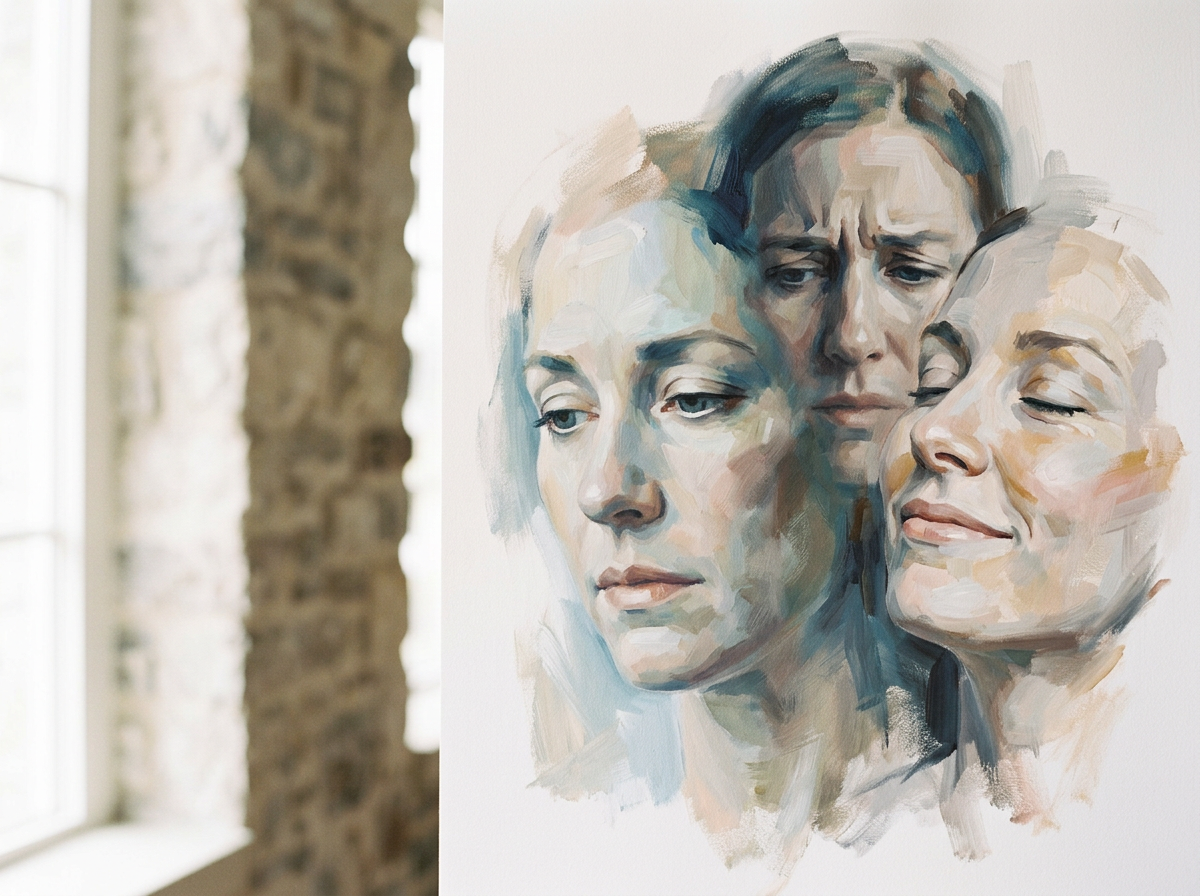
Emotion Focused Therapy
Emotion focused therapy has its roots in humanistic-experiential psychotherapy, but has sought to richly suffuse this tradition with both contemporary theories of emotion, and considerable research efforts to understand what clients are most positively impacted by when they engage in psychotherapy. As the name would suggest, emotions and emotion-processing are a key focus for this approach.
Emotion Focused Therapy holds the view that emotions are the primary datum of human experience and a key focus in psychotherapeutic relationships. Emotion, according to this approach is always offering up self-relevant information about our experience in and of the world, informing us of our needs and values, assisting us in our communication with others, and both energising and guiding our actions.
Yet, for humans, our emotions can sometimes come to us via a route that has been clouded over by past experience in the world; and when these experiences have been adverse, our emotion processing can be impacted in ways which undermine our sense of self, and even our sense of our own emotions as trust-worthy.
Knowing this, Emotion Focused Therapy uses research-based experiential techniques in order to target and work with emotion which has come to be blocked or stuck in patterns which are causing suffering and distress. Emotion Focused Therapy has been adapted for working with Anxiety, Depression, Grief and also for working with eating disorders (please see the separate page for SPEAKS psychotherapy).