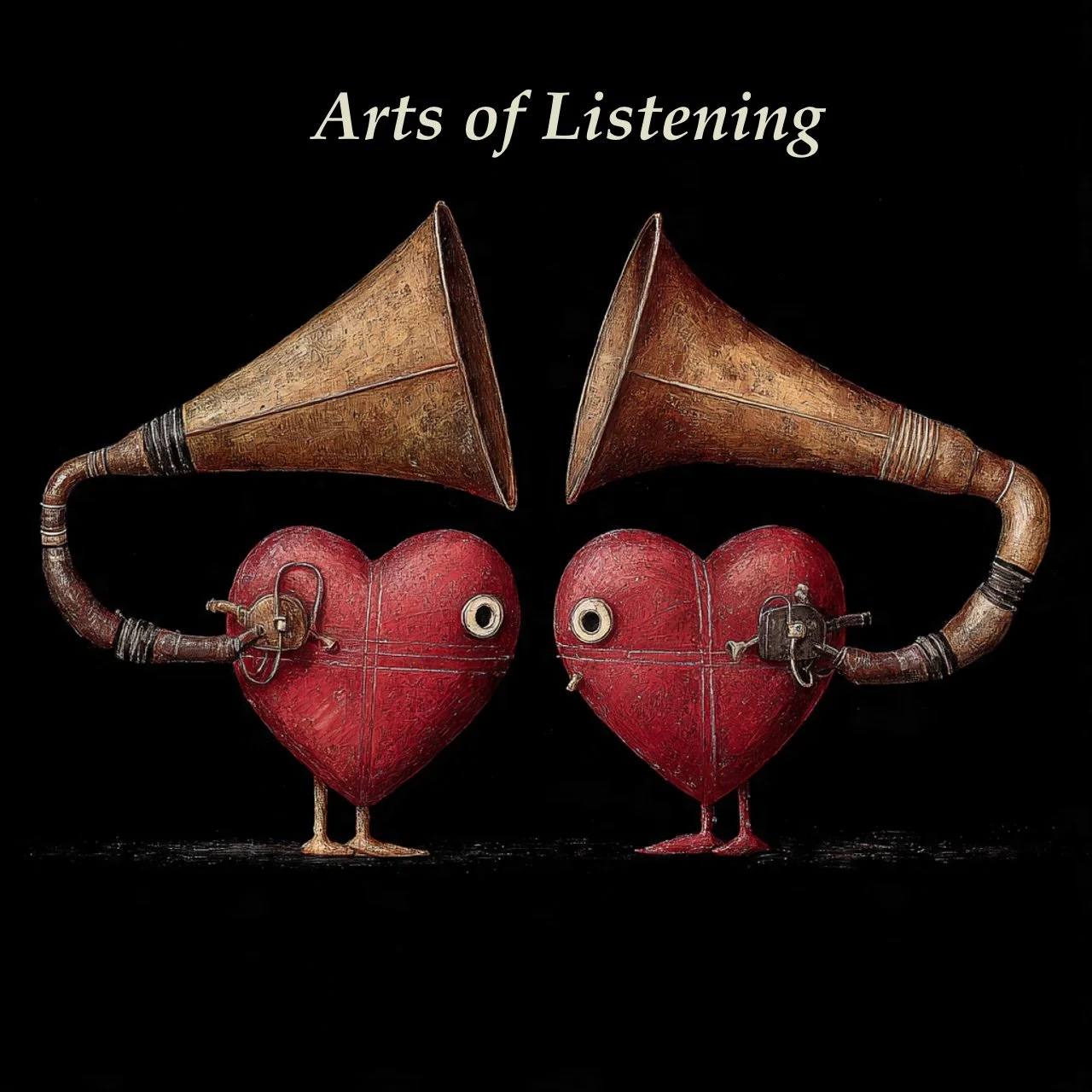
Humanistic-experiential Psychotherapy
Humanistic-experiential psychotherapy is a form of therapy that is grounded in certain assumptions about what it means to be human, and have a human experience in this world. From the humanistic-experiential perspective, each human is understood to be involved in their own idiosyncratic process of making sense and meaning from their lived experience. Each human is inclined towards changing and growing, whilst at the same time needing to feel secure and supported in this process, and that their needs for safety and belonging can be met. Humanistic-experiential psychotherapy recognises that each human has agency in relation to their own lives, and is guiding their life, in a direction of their own choosing. Finally, humanistic-experiential psychotherapy assumes that humans value and have need for non-hierarchical, mutually respectful, and mutually enriching relationships, where the authentic meeting with another human, and the cultivation of complex understandings of self and other are vital, enriching, and generative.
Humanistic-experiential psychotherapy has developed over the years as a response to the complexity of the embodied experience of being a human, and of having a human body-mind that is vulnerable (given the unpredictable and not always benign nature of life) to psychological and emotional injury, pain, suffering, and loss. Life can be really hard sometimes. It can knock us off our feet, leave us terribly shaken, and blur the way forwards in a dust of confusion. The theories and practices of humanistic-experiential psychotherapy have developed out of a desire to understand and contribute to the ways in which humans most reliably heal from such injury(s) ,and related emotional pain, and continue to grow and change through these painful experiences, and in their wake.
With the high value humanistic-experiential psychotherapy places upon certain qualities of relationship, a key aspect of this form of psychotherapy is its intention to offer fundamental relational conditions- such as deep listening, empathy, non-judgement, and authenticity, so that equal and collaborative therapeutic relationships can be formed, and so that clients can trust that their experience is being received and responded to by their therapist in such a way that they feel safe, secure, and trusting enough to explore and express themselves fully. Humanistic-experiential psychotherapists seek to meet each client with a deep respect, empathy, and appreciation for their client’s unique experience of and in the world. Instead of judgement or advice, humanistic psychotherapists are profoundly present to-and-for their clients as they attempt to deepen their understanding of themselves, their emotional world, and their needs.
Humanistic-experiential psychotherapy has broad application and can be tailored to working with many forms of human suffering, including, for example, low mood and anxious states, grappling with self-image, body-image, self-esteem, sexuality, eating distress, or relationship troubles, facing down discrimination, prejudice and injustices, as well as the processing of losses, traumatic experience, and grief.
At Arts Of Listening, humanistic-experiential psychotherapy sessions are offered on a weekly basis, both in-person (in The Irishtown area of Dublin), and online. I am guided in the work I offer by my training in Emotion Focused Therapy (see separate page above), an evidence based branch of the humanistic-experiential psychotherapy tradition which figures emotion transformation as critical to the change processes which can be ignited in psychotherapy.
I welcome to my practice both adults and adolescents (over the age of sixteen), who find they are at a point in life where they could make good use of the kind of non-judgemental, deeply empathic therapeutic relationship that is co-created in humanistic-experiential psychotherapy.
“when I have been listened to and when I have been heard, I am able to re-perceive my world in a new way and go on. It is astonishing how elements that seem insoluble when someone listens, how confusions that seem irremediable turn into relatively clear flowing streams when one is heard. I have deeply appreciated the times that I have experienced this sensitive, empathic, concentrated listening”
Carl Rogers.
Begin a Confidential Consultation
Please submit the brief inquiry form to inquire about appointment availability and times.